 listicle
How to Use Digital Mortgage Applications to Speed Up Approval
Last Updated: November 2, 2026
Quick Summary
A digital mortgage application speeds up approval by collecting your income, assets, and property details online, verifying them electronically, and routing the file straight into underwriting. Removing handoffs means fewer documents are mailed, scanned, and re-keyed, so turnaround time can shorten and late-stage conditions drop.
- Paper slows everything down because documents are mailed, scanned, and re-keyed into multiple systems.
- Most borrowers end up in a hybrid: they start online and still talk to a human when files get complicated.
- Straightforward W-2 borrowers with organized records usually move faster online as verification happens in real time.
- Ask whether the portal uses HTTPS, requires multi-factor authentication, and who can see your documents.
- Real-time tracking lets you see whether your file is in processing, underwriting, or cleared to close.
Table of Contents
- Why Digital Mortgage Applications Beat Paper in Speed and Accuracy
- Digital vs. In-Person Mortgage Application: Which Fits Your Situation
- The Mortgage Application Process Steps, From Pre-Approval to Closing
- How Online Mortgage Preapproval Works and What It Unlocks
- Digital Mortgage Security: How Your Data Stays Protected
- Real-Time Tracking, E-Signatures, and Fewer Closing Surprises
- Book an Appointment and Start Your Digital Application
- Frequently Asked Questions
Why Digital Mortgage Applications Beat Paper in Speed and Accuracy
The benefits of digital mortgage application processes start with a simple fact: paper slows everything down. A digital mortgage application is an online system that collects your income, assets, and property details, verifies them electronically, and routes the file straight into underwriting.
Speed comes from removing handoffs. Instead of mailing documents, scanning them, and re-keying the same numbers into three systems, a digital file moves through one workflow. Accuracy can improve because fewer people need to retype your information.
A digital workflow can shorten turnaround time and reduce late-stage conditions. That matters most when you are competing for a home.
Digital vs. In-Person Mortgage Application: Which Fits Your Situation
Neither route is universally better, and the framing of "digital versus in-person" is itself a little misleading. Most borrowers today end up in a hybrid: they start online, upload documents through a portal, and still talk to a human when the file gets complicated. Understanding the trade-offs helps you choose where to start, not which camp to join.
Here is how the two routes compare on the factors that actually change your experience:
| Factor | Digital Application | In-Person Application |
|---|---|---|
| Document handling | Upload and e-signature | Paper copies, wet signatures |
| Status visibility | Phone calls and emails to your loan officer | |
| Pace | Often faster; verification happens as you type | Depends on scheduling and document delivery |
| Best for | Straightforward W-2 income, organized borrowers | Complex self-employed files, unusual assets, borrowers who want face-to-face conversation |
| Human access | Varies by lender, confirm it up front | Built in |
Where the hybrid model fits. Many borrowers worry about being left alone with a form. A hybrid model combines automated steps for repetitive work with a loan officer who reviews the file and takes calls when judgment is needed. Ask any lender how its process divides those two jobs and who will review your file.
When in-person still wins. If your income comes from multiple entities, you have significant rental or investment assets, or you are navigating a credit situation that needs a conversation rather than a form, an in-person or phone-heavy process may serve you better. That does not mean paper, it means a human-led review with digital document collection behind it.
When digital clearly wins. Straightforward W-2 borrowers with organized records usually move faster online, because verification happens in real time and conditions surface earlier. The speed advantage compounds when you are competing for a home and need a pre-approval letter quickly.
What most guides miss is that the two are not mutually exclusive, and the choice is less about technology than about how much human review your file needs. If you are weighing the trade-offs, our breakdown of whether an online mortgage application is worth it covers the practical differences in more detail.
The Mortgage Application Process Steps, From Pre-Approval to Closing
The mortgage application process steps follow a predictable path, and knowing them removes most of the anxiety. Here is the sequence we walk clients through.

- Pre-approval. You submit income, asset, and identity details. A loan officer reviews your file and issues a pre-approval letter.
- House hunting. You shop within your approved range.
- Formal application. Once you have an accepted offer, the full application goes in with the property details.
- Document upload. Pay stubs, bank statements, and tax returns go into the portal.
- Processing and underwriting. The file is verified and reviewed.
- Conditional approval. Any remaining items are cleared.
- Closing. You sign final disclosures and fund the loan.
A common mistake is treating pre-approval as a formality. It is the step that sets your budget and your credibility with sellers. If underwriting feels slow once you are in contract, these steps to speed up mortgage underwriting help you clear conditions faster.
How Online Mortgage Preapproval Works and What It Unlocks
Online mortgage preapproval is a lender's written estimate of how much it will lend you, issued after an electronic review of your income, debts, and credit. It is not a final approval, but it carries real weight.
The process is straightforward. You complete a secure application, connect or upload financial data, and consent to a credit check. Many lenders return a decision quickly because automated systems verify your information against electronic records rather than waiting on mailed paperwork.
What it unlocks:
- A firm budget. You know your range before you fall in love with a house.
- Seller credibility. Listing agents take pre-approved buyers more seriously.
- A faster closing. Much of the verification is already done.
For a closer look at the process, see our guide to getting mortgage preapproval online.
Digital Mortgage Security: How Your Data Stays Protected
Security is the objection we hear most, and it deserves a straight answer rather than a reassurance. A well-built digital mortgage system protects your file through several layers, and knowing what those layers are lets you judge any lender's portal for yourself.
What a legitimate portal does. A reputable lender's portal should encrypt your data in transit and at rest, restrict access to the people working on your file, and keep an audit log. Multi-factor authentication should be required, not optional. Electronic signatures can carry legal weight under federal law, provided the borrower consents and can access the records. Check the official ESIGN Act text on congress.gov for details.
How to verify a portal before you upload anything. Ask the loan officer three questions: Is the application served over HTTPS? Is multi-factor authentication mandatory? Who inside the company can see my documents? A lender who cannot answer those plainly is a lender to slow down with. Check the URL carefully, a lookalike domain with an extra word or a different ending is a common trick.
The real risk is phishing, not the portal. A criminal impersonating your loan officer can harvest tax returns and bank statements faster than any system breach. A common pattern is an email that appears to come from your lender, asks you to "re-verify" your account through a link, and collects your login. Verify the sender on every email requesting financial data, confirm requests by calling the number on the lender's official website rather than the one in the email, and never send tax returns or account statements as plain email attachments. Legitimate portals send a notification that a document is ready, they do not ask you to reply with the file.
Fraud prevention works both ways. Lenders run identity verification, cross-check documents for alterations, and compare your stated income against electronic records. That protects you from someone else applying in your name. Watch out: if you receive a credit alert for a mortgage inquiry you did not authorize, contact the lender and the credit bureaus immediately, an unauthorized application is often the first sign of identity theft.
What to do if something looks wrong. Stop, do not click, and contact your loan officer through a channel you already trust. A lender with a real security posture will welcome the question; one that brushes it off is telling you something.
Real-Time Tracking, E-Signatures, and Fewer Closing Surprises
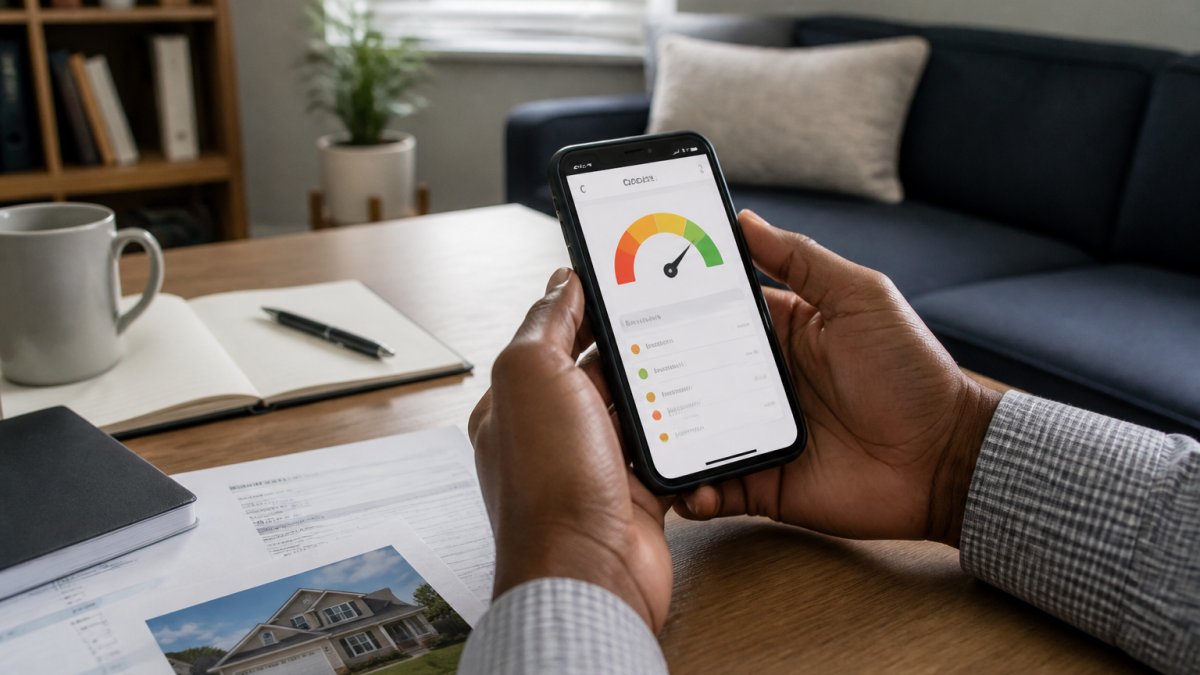
Real-time tracking changes the borrower experience more than any other feature. You log in and see exactly where your file sits: processing, underwriting, or cleared to close. No voicemail roulette, no wondering whether your loan officer submitted the appraisal.
E-signatures compress the calendar.
Fewer surprises come from early clarity. When your file is tracked and your disclosures are timestamped, fee questions surface early. If your application does stall anyway, our guide on why mortgage applications get delayed explains the usual culprits and how to head them off.
Book an Appointment and Start Your Digital Application
The tools only help if you use them, and the first step is a conversation. At The Modern Lending Group, we combine a digital application with a real person who knows your file. The Modern Lending Group offers tailored mortgage solutions for first-time buyers, investors, and homeowners looking to refinance, plus credit wellness guidance. Its process is designed to be low-effort for clients.
Reserve an appointment and we will walk you through the application, answer your questions, and map out your timeline.
Frequently Asked Questions
Is a digital mortgage application secure?
Reputable lenders typically use secure document portals and multi-factor authentication. Your financial data moves through the same regulated channels whether you apply online or in person. Ask your lender how they verify identity, where your documents are stored, and who can view your file.
How long does a digital mortgage application take?
Completion time depends on how many income sources and properties you need to list, and on how quickly documents are provided. Ask your lender for its current timeline. Digital tools shorten the back-and-forth by allowing real-time tracking and immediate document upload, which can trim days off the cycle time.
Can I still talk to a loan officer during an online mortgage application?
Yes. Many lenders combine digital forms with access to a loan officer who can answer questions and review your file. This matters if you have self-employed income, past credit challenges, or a lower credit score and want guidance before submitting. Ask upfront who your point of contact will be and how quickly they respond.
What should I compare when choosing a digital mortgage lender?
Compare the user interface, how transparently closing costs are disclosed, and whether you get a named loan officer or only a call center. Ask about average turnaround time, how the lender handles data verification, and what credit wellness support is available if your score needs work. Read reviews about responsiveness, and confirm the lender is licensed by checking the NMLS Consumer Access site. A short call with a loan officer often reveals more than a rate quote alone.