 blog
blog
Is Home Inspection Worth It for New Buyers
Table of Contents
- Why Home Inspection Matters for New Buyers
- What Does a Home Inspection Include
- Home Inspection Cost and Budget Considerations
- Home Inspection Checklist for Buyers
- What to Do After a Home Inspection
- How Home Inspection Findings Protect Your Purchase
- Getting Mortgage-Ready After Inspection Results
- Frequently Asked Questions
Last Updated: October 10, 2026
Why Home Inspection Matters for New Buyers
A home inspection worth the investment reveals critical issues before you commit to one of the largest purchases of your life. Many first-time homebuyers skip this step to save money, only to discover expensive problems after closing. A thorough inspection protects your investment and strengthens your negotiating position with sellers.
The inspection gives you concrete data about the property's condition, exactly what repairs are needed, what systems are aging, and where problems might emerge in the next five to ten years.
Without an inspection, you're buying blind. Problems hidden behind walls or under floors won't show up during a casual walkthrough. A trained inspector gives you the clarity needed to make a confident decision.
What Does a Home Inspection Include
A typical home inspection checklist for buyers covers major systems and structural components: foundation, roof, walls, electrical system, plumbing, HVAC, and interior elements like appliances and fixtures.
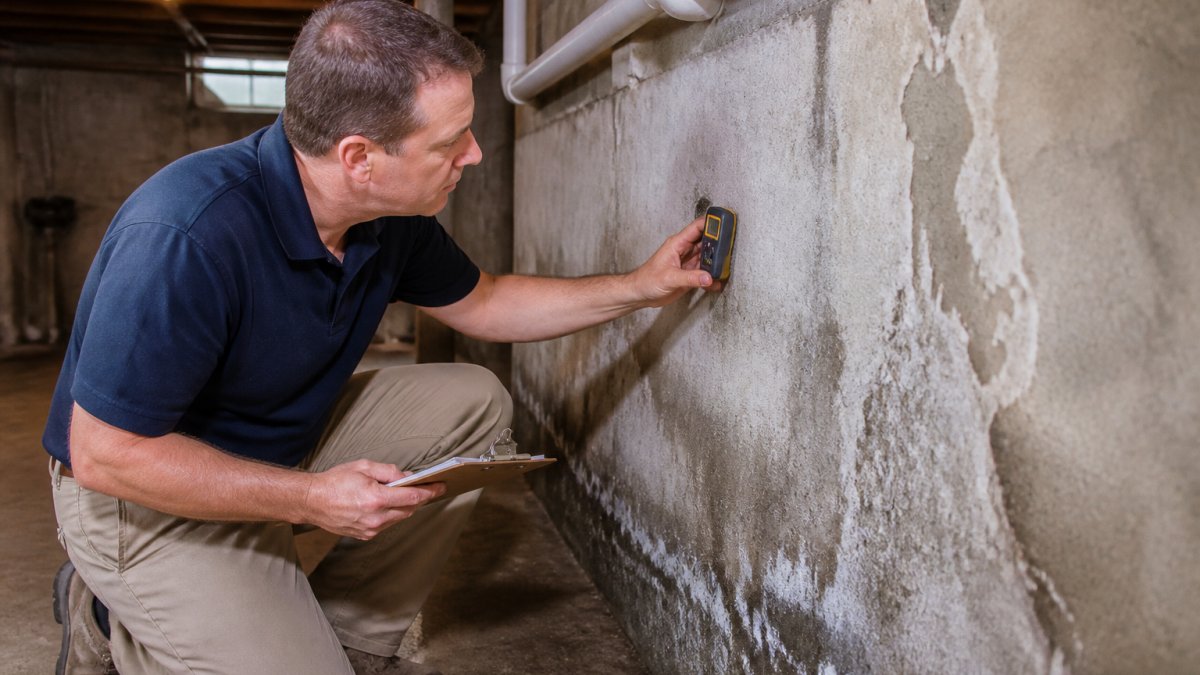
The inspector assesses the foundation for cracks, settling, or water intrusion; the roof for shingles, flashing, gutters, and condition; the electrical system for safety and capacity; plumbing for leaks and drainage; and HVAC systems for age, functionality, and efficiency.
Interior inspections cover walls, ceilings, floors, windows, doors, and appliances. The inspector tests light switches, outlets, plumbing fixtures, and heating/cooling operation, and checks for pest damage, mold, or asbestos in older homes.
Most inspections take two to three hours and result in a detailed report listing findings by severity, from cosmetic issues to structural damage, roof leaks, outdated electrical panels, or failing HVAC systems.
Home Inspection Cost and Budget Considerations
Home inspection cost varies based on property size, age, and location. Expect $300-$700 for a standard residential inspection. A 4,000-square-foot home may run $500-$700; a 2,000-square-foot home $300-$450. Some inspectors charge by square footage (roughly $0.10-$0.15 per square foot); others use a flat rate.
This one-time expense protects your investment many times over. If an inspection uncovers a roof needing replacement ($8,000-$15,000), foundation settling ($3,000-$25,000), or failing HVAC ($5,000-$10,000), the $400-$600 inspection fee pays for itself. The inspection fee is typically 0.1-0.2% of the purchase price yet can influence your entire financing decision.
Additional specialized inspections add to the cost but may be essential depending on the property and location:
- Radon testing: $100-$300. Radon is a colorless, odorless radioactive gas linked to lung cancer; the EPA recommends testing in all homes. If levels exceed 4 picocuries per liter (pCi/L), mitigation systems cost $800-$2,500.
- Mold inspection: $200-$600. Useful if you notice discoloration, musty odors, or water damage. Remediation can range from $500 for minor surface mold to $10,000+ for extensive contamination.
- Termite or pest inspection: $75-$150. Highly recommended in regions prone to termite activity (particularly the Southeast and Southwest). Treatment costs $500-$3,000 depending on severity.
- Well and septic inspection: $300-$500 combined. Essential if the property is not on municipal water or sewer. Septic repairs average $3,000-$25,000.
- Lead-based paint inspection: $300-$700. Required by federal law for homes built before 1978 if you have children under six or are pregnant. Remediation costs vary widely.
Decide which specialized inspections are warranted based on the property's age, location, and red flags from the general inspection. A termite-prone area or visible water stains justify the extra cost; a newer suburban home in a low-risk zone may not need every test.
Never accept a seller-hired inspector, this creates a conflict of interest. Always hire your own inspector and pay directly to ensure independence and objectivity.
Factor inspection costs into your budget alongside appraisal fees ($400-$600), title search and insurance ($500-$1,500), and other closing costs.
Home Inspection Checklist for Buyers
Use this checklist to understand what your inspector will evaluate:
- Foundation and basement for cracks, water damage, or settling
- Roof condition, age, and remaining lifespan
- Exterior walls, siding, and trim for damage or deterioration
- Windows and doors for operation and seal integrity
- Electrical panel, wiring, and outlet safety
- Plumbing pipes, fixtures, and water pressure
- HVAC system age, maintenance history, and operation
- Insulation levels and ventilation adequacy
- Interior walls, ceilings, and floors for damage
- Appliances included in the sale for functionality
- Attic for proper ventilation and pest damage
- Crawl spaces or basements for structural issues
- Drainage around the property and grading
A thorough inspection documents the property's actual condition, providing written evidence if disputes arise later, especially important when finalizing mortgage approval.
What to Do After a Home Inspection
Once you receive the inspection report (typically within 24-48 hours), you enter a critical window to act.
Step 1: Review the Report Thoroughly
Read the entire inspection report, not just the summary. Inspectors categorize findings by severity: immediate safety concerns, major systems needing repair, minor issues, and maintenance recommendations. Pay special attention to:
- Safety hazards: Electrical code violations, gas leaks, structural cracks, or mold that pose health risks.
- Major systems: Roof age and condition, HVAC functionality, plumbing integrity, foundation stability, and electrical panel capacity.
- Deferred maintenance: Systems or components that are aging but not yet failing, these may fail within 1-5 years.
- Code violations: Unpermitted additions, improper grading, or non-compliant work that may require correction.
Ask your real estate agent to explain technical terms or findings you don't understand. Most inspectors offer follow-up consultation at no extra charge.
Step 2: Prioritize and Quantify Repair Needs
Categorize findings by priority:
- Critical (must address before closing): Structural damage, roof leaks, failing HVAC, electrical hazards, plumbing failures, or foundation issues. These affect safety, functionality, or the lender's willingness to finance. Typical cost to repair: $2,000-$50,000+.
- Important (negotiate or credit): Systems nearing end of life (roof with 5-10 years remaining, HVAC over 15 years old), water intrusion signs, or significant deferred maintenance. Typical cost: $1,000-$10,000.
- Minor (often acceptable as-is): Cosmetic damage, worn caulk, missing outlet covers, or routine maintenance items. Typical cost: under $500.
Obtain written repair estimates from licensed contractors for critical and important findings. Use these to anchor your negotiation.
Step 3: Decide Your Negotiation Strategy
You have three primary options:
-
Request repairs: Ask the seller to hire a contractor and complete work before closing. Require licensed, insured professionals and a final walkthrough to verify quality.
-
Request a credit at closing: Ask the seller to credit you a dollar amount at closing to cover repairs yourself. A typical credit is 100-120% of the repair estimate. For example, if the roof repair estimate is $12,000, request a $13,000-$14,400 credit.
-
Renegotiate the purchase price: Request a price reduction to offset repair costs if multiple major issues exist.
In a buyer's market, sellers are more likely to make concessions. In a seller's market, they may refuse repairs and you'll decide whether to accept the property as-is or walk away.
Step 4: Submit Your Request in Writing
Submit a formal repair request or amendment to the purchase contract. The request should:
- List specific findings from the inspection report.
- Reference the inspector's description and severity level.
- State your requested remedy (repair, credit amount, or price reduction).
- Include contractor estimates or repair quotes.
- Set a deadline for the seller's response (typically 2-3 days).
- Reference the inspection contingency period in your contract.
Keep all documentation in writing to create a paper trail that protects you if disputes arise later.
Step 5: Evaluate the Seller's Response
The seller will agree, counter-offer, or refuse. If they agree, ensure the amendment specifies exactly what repairs will be done, by whom, and by what date.
If the seller refuses and findings are critical, you can withdraw under your inspection contingency.
Step 6: Verify Repairs Before Closing
If the seller agrees to make repairs, schedule a final walkthrough 24-48 hours before closing. Bring the inspection report and verify that:
- All agreed-upon repairs were completed.
- Work was done by licensed, insured contractors.
- Repairs meet code and industry standards.
- Permits were obtained if required (especially for electrical, plumbing, or structural work).
- You receive copies of all contractor invoices, permits, and warranties.
If repairs were not completed or are substandard, do not close until resolved. You can request funds held in escrow to be released only after you verify the work post-closing, though this requires seller agreement.
Timeline and Contingency Language
Most inspection contingencies expire 7-10 days after the inspection. Mark your calendar and act promptly. If you need more time, request a contingency extension in writing before the deadline expires.
Your contract should state the inspection contingency is "for any reason," giving you maximum flexibility to withdraw if unsatisfied.
How Home Inspection Findings Protect Your Purchase
The inspection report becomes your defense against undisclosed problems. If the seller knew about an issue and didn't disclose it, you may have legal recourse. The inspection creates a paper trail proving the condition at the time of sale.
This protection extends beyond closing day. If a problem emerges shortly after purchase, you can reference the inspection report to determine whether it existed before you bought or developed afterward. This distinction matters for warranty claims and potential disputes with the seller.
A thorough inspection also helps you plan for future maintenance. You'll know which systems are aging and likely to need replacement in the next few years. This information lets you budget accordingly and avoid surprises.
When you're working with a lender like The Modern Lending Group to secure financing, the inspection report supports your mortgage application. Lenders want to know the property is worth the loan amount. Major defects that reduce the home's value may affect your loan approval or terms.
Getting Mortgage-Ready After Inspection Results
After the inspection, your lender may require proof that critical issues are addressed. Structural problems, roof damage, or failing systems can affect your loan approval. Work with your lender to understand what findings impact your mortgage qualification.
If repairs are needed, get written estimates from contractors. Your lender may require that work be completed before closing or that funds be held in escrow to cover repairs after closing. This protects both you and the lender.
The inspection report also helps you understand the property's true condition for insurance purposes. Your homeowners insurance company may request inspection findings, especially if significant damage is noted. Being upfront about known issues prevents claim denials later.
Before closing, do a final walkthrough to confirm the property matches the inspection report. Check that any agreed-upon repairs were completed properly. Verify that systems still function as expected. This final check protects you from last-minute surprises.
A home inspection is one of the most valuable steps in the home-buying process. It protects your investment, supports your mortgage application, and gives you the information needed to make a confident purchase decision. Our team helps you understand how inspection findings affect your loan approval and works with you to simplify the entire process. Book an appointment with The Modern Lending Group today to discuss your home purchase and financing options.
Frequently Asked Questions
Is a home inspection worth it for first-time homebuyers?
Yes. A home inspection reveals structural issues, safety hazards, and costly repairs before you commit to the purchase. First-time buyers especially benefit because inspectors identify problems you might miss, such as roof deterioration, electrical code violations, or plumbing failures. The inspection cost is typically recouped through negotiation leverage or avoided repairs. Without one, you risk inheriting unexpected expenses that could strain your finances right after closing.
What does a home inspection cover?
A standard home inspection examines the roof, foundation, walls, windows, doors, heating and cooling systems, plumbing, electrical systems, insulation, and ventilation. Inspectors check for water damage, pest damage, structural defects, and safety issues. They typically do not assess environmental hazards like asbestos or radon (separate testing may be needed), nor do they evaluate cosmetic wear. The inspector provides a detailed written report documenting findings and recommended repairs or further evaluation.
How much does a home inspection cost?
Home inspection costs vary by region and property size, but typically range from $300 to $500 for a standard residential inspection. Larger homes or those with additional systems may cost more. Some inspectors charge by square footage. Specialized inspections (radon, termite, mold) cost extra. Shop for quotes from multiple inspectors in your area. The cost is a one-time expense paid at inspection and is far less than the cost of discovering major repairs after closing.
Can you negotiate the purchase price after a home inspection finds problems?
Yes. If the inspection uncovers significant issues, you have three options: request the seller make repairs before closing, ask the seller to credit you money at closing to cover repairs yourself, or renegotiate the purchase price. Serious problems like foundation cracks, roof replacement needs, or major system failures give you strong negotiating power. Document all findings in writing and provide the seller's agent with the inspector's report. Many purchase agreements include an inspection contingency that allows you to walk away if repairs exceed your tolerance or budget.